I offer one-on-one mentorship rooted in Stoic philosophy and lived experience. For anyone who wants to think clearly, act with intention, and build a life that holds up when it matters.
This is about applied philosophy, training body and mind, simple rituals, analog living, challenges that stretch you, books that shape you, and a grounded relationship with money and work. Less noise, more substance.
For young men, I offer a limited number of mentorships free of charge.
The principles are simple, but not easy: focus on what you control, let go of what you can't, and show up, day after day.
Send an inquiry
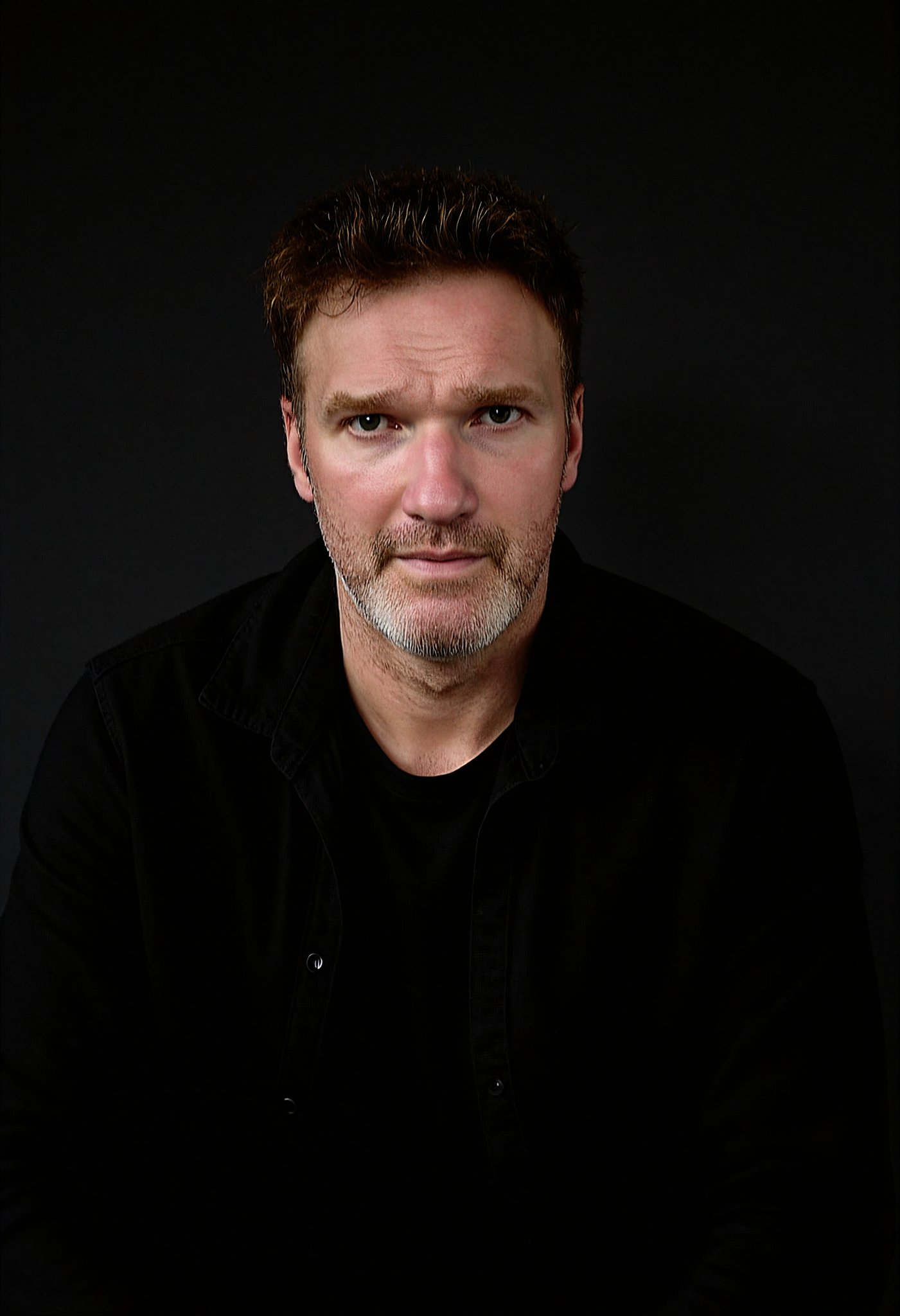
"You have power over your mind — not outside events. Realise this, and you will find strength."
The Stoics weren't interested in feeling better. They were interested in performing better — and in living in accordance with what they could actually control. That's the frame we work from.
Most anxiety — in sport, in business, in life — comes from trying to influence outcomes that aren't yours to own. We learn to redirect energy toward what actually moves the needle: preparation, attitude, effort.
Composure isn't a personality trait. It's a practice. We work on the mental routines, language patterns, and recovery habits that keep performance consistent — especially when the stakes are high and things go sideways.
The Stoic tradition is fundamentally a daily practice — small acts of discipline, reflection, and presence. We build those habits into the structure of your week so the philosophy stops being abstract and starts being real.
The contexts are different. The underlying challenges — managing pressure, staying clear, competing consistently — are the same.
Whether you play professionally or seriously compete as an amateur — the mental side of performance is where most matches are actually won and lost.
Building something from scratch in a world that changes constantly requires the same composure tennis taught me: decide fast, stay present, and don't catastrophise.
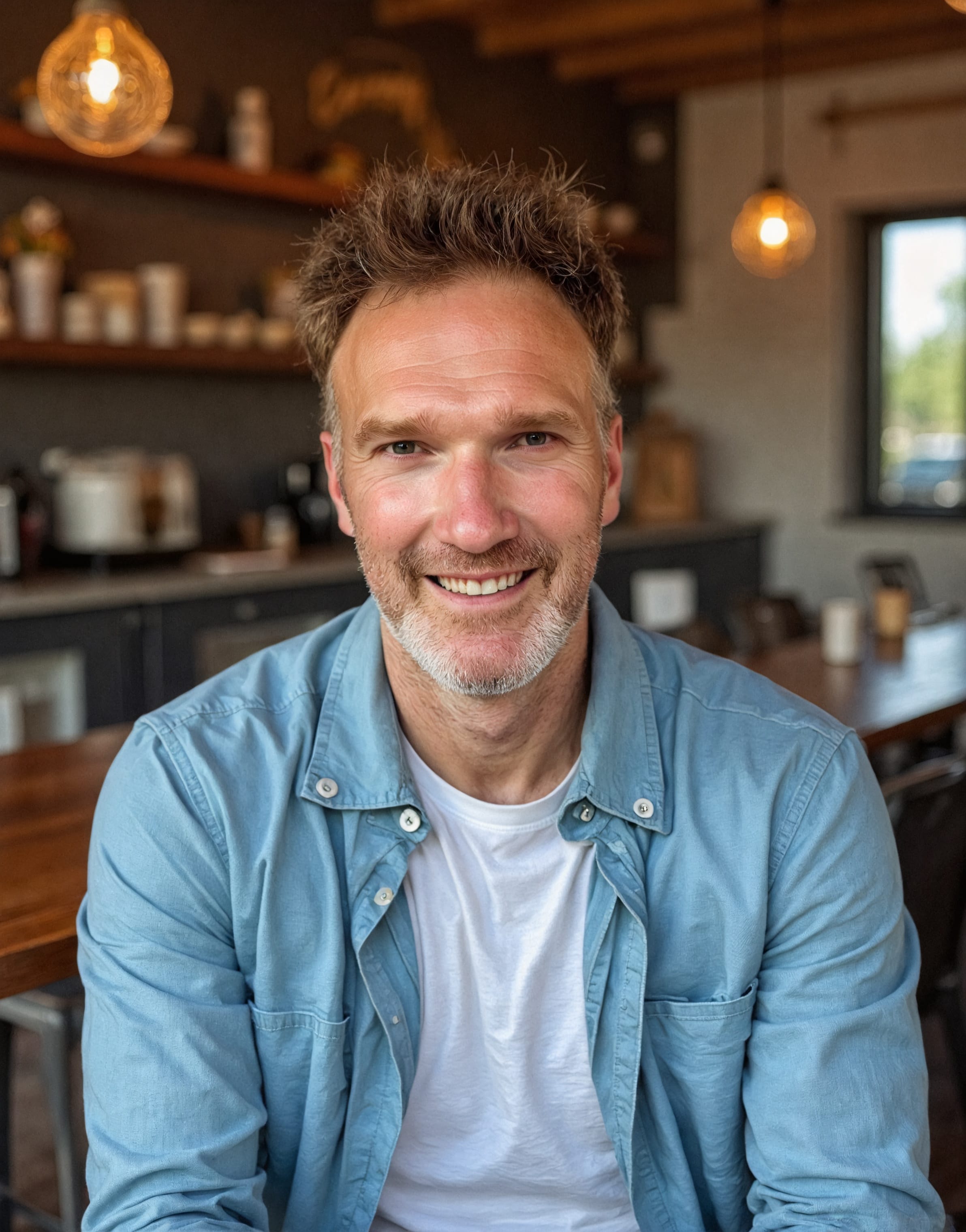
Most of the breakthroughs I've seen in mentorship don't happen during the structured sessions. They happen in the casual conversations — over a coffee, during a walk, when the pressure is off and the real questions finally surface.
That's the dynamic I try to create. Not a seminar. Not a coaching script. A real exchange between two people who take the work seriously. I bring the frameworks; you bring the actual problems. Together, we figure out what to do with them.
If any of this resonates — send a note. The best mentorship relationships start with a simple introduction.
Start the conversationSessions are one-on-one, by invitation. If you're serious about the work and the questions above resonate — send a note. We'll take it from there.